Upcoming Webinars
2026 Webinar Series - AI and Virtual Nursing in Rural Communities
September 16, 9:00 AM Central
‘What Do I Say’ Responding to Mental Health Concerns With Confidence
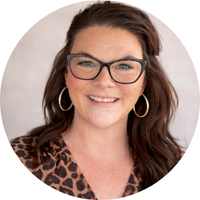
Speaker: Sarah Grenon, Senior Director of Mobile Health Education at Mission Mobile Medical
Trusted community members, faith leaders, teachers, and fellow congregation members are often where individuals turn first when they are struggling with their mental health, yet many feel unprepared to respond in the moment.
This webinar is designed for nurses who want to equip their communities with practical skills to recognize and respond to mental health concerns and emerging crisis situations. While examples will include working with adolescents, the strategies are applicable across the lifespan and in a variety of community settings. This program was formed on faith-based principles; however, the application can be used with or without the faith-based component.
Participants will learn how to:
Teach community members to recognize early warning signs of mental health concerns
Provide clear, practical language for what to say and how to respond in real conversations
Guide non-clinicians in responding with confidence while maintaining appropriate boundaries
Connect community-based support to clinical care and appropriate resources
The session will introduce AI prompt literacy as a tool nurses can use to model and teach communication strategies. This approach helps community members navigate difficult conversations while reinforcing that AI supports, but does not replace, professional care.
Following the webinar, participants will have the opportunity to complete the Empower Program, a free, asynchronous training focused on mental health crisis response. Those who complete the program will be invited to an optional interactive workshop focused on applying and teaching these skills within their own communities.
November 11, 8:00 AM Central
Virtual Nursing Panel Discussion
Moderator: Dr. Audrey Snyder, Dean, Dwyer School of Nursing, Widener University
Panelists: Cates Bayabay, Director of Health Programs, Eastern (Qikiqtaaluk) Region in Nunavut; Marc Beswick, Head of Careers Development & Employability, NHS Lothian Edinburg; Nilufeur McKay, Senior Lecturer, Edith Cowan University and Nurse Practitioner, Royal Perth Hospital
Get an understanding of how three different countries implemented successful virtual nursing practices in some of the most rural/remote regions of the world. Our presenters will discuss the implementation and sustainability of their virtual nursing practices how they have bridged the gap from in-person to virtual health, technologies adopted, patient acceptance, benefits and challenges. There will be plenty of time for Q&A.
Cates will share her experience in developing the virtual public health network in the eastern (Qikiqtaaluk) region in Nunavut, Arctic Canada, during the pandemic. She will discuss how this resource has become one of the critical foundations of the development of the current virtual community health nursing triage system providing respite to on-the-ground community health nurses for the region.
Marc used Near Me video consultations on the remote Scottish Island chain of Shetland to provide services to children & families pre-covid and then supported staff and patients in their use of Near Me to enable the continuity of services. Marc was then part of a team who created digital resources and ran webinars to enable wider health services across Scotland to use Near Me at pace and scale during the pandemic.
Nilufeur is at the forefront of innovative NP education in Australia, leading the integration of telehealth simulation and AI-enabled clinical decision-making tools into postgraduate curricula. Living and working in a state with many rural and remote communities, Nilufeur is deeply committed to developing flexible and accessible online learning pathways that support the professional growth of regional and rural nurses.


December 9, 3:00 PM Central
Ask Abby: Leveraging AI for Efficiency, Learning, and Everyday Practice
Moderator: Dr. Abby Grammer Horton, Assistant Professor, Certified Health and Life Coach, Capstone College of Nursing, University of Alabama
Dr. Abby Horton is a nurse educator, researcher, and wellness advocate known for translating evidence into everyday practice. Through her “Ask Abby” sessions, she offers practical, real-time guidance on using AI, optimizing workflows, and building sustainable habits that support both performance and well-being. During this webinar, Dr. Horton will share best practices for leveraging AI no matter where you are on your adoption journey, and take questions from the audience. We ask that you come ready to share your unique tips and tricks so we can all benefit from one another's expertise.